
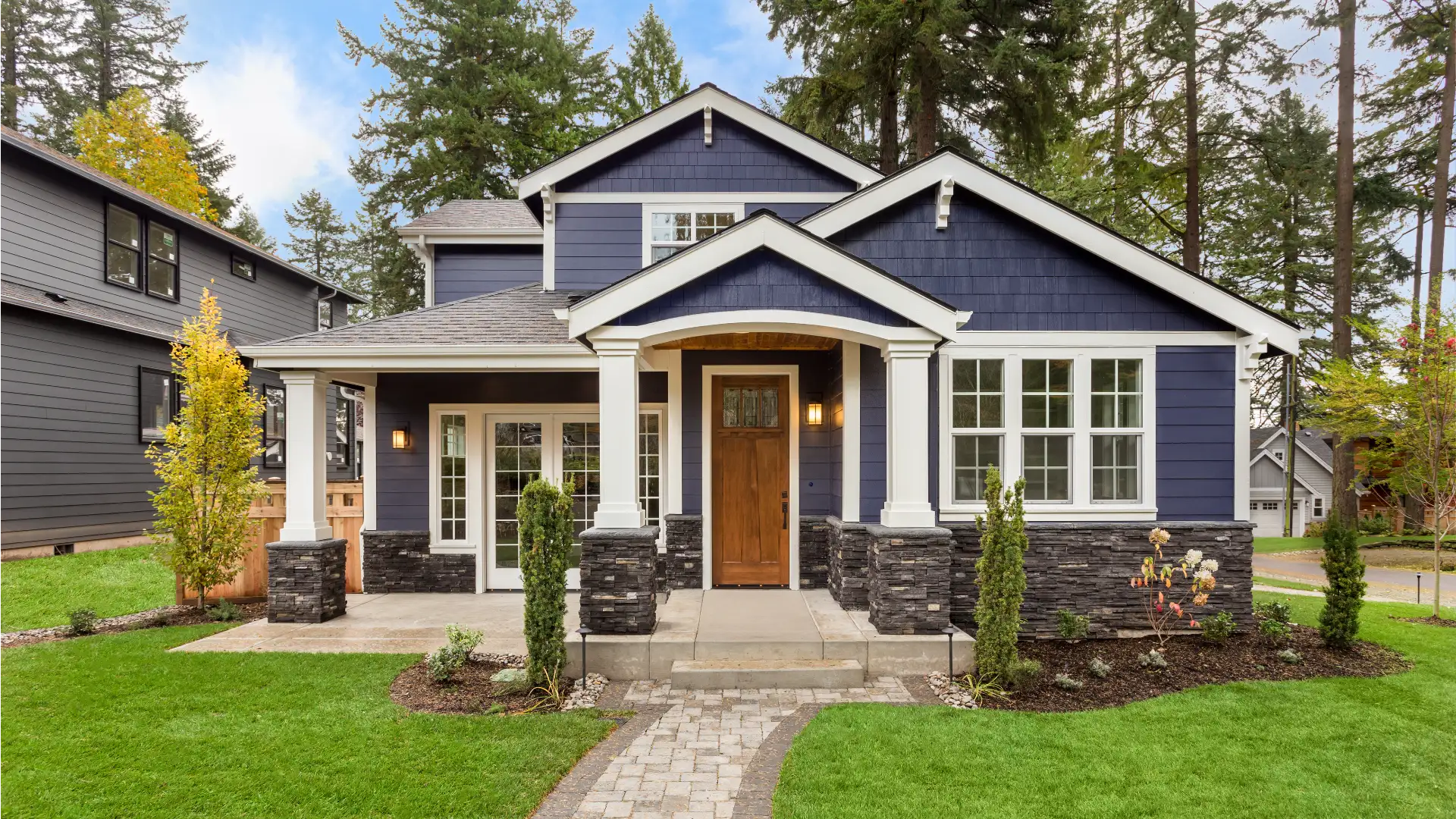
From Our Blog
Coastal Windows for Santa Monica Homes: What Makes a Replacement Window “Coastal Ready"?
Living near the Santa Monica coast brings natural light, ocean breezes, and views that deserve to be a focal point of your home. It also exposes your home to moisture, salty air, strong sunlight, temperature changes, and persistent UV radiation. Over time, those conditions can affect window frames, finishes, seals, hardware, and glass performance.
Coastal-ready replacement windows combine a durable, dimensionally stable frame with suitable glass, reliable components, low-maintenance construction, and professional installation. The right combination helps protect your comfort while preserving the light, ventilation, and views that make coastal living so appealing.
There is no single coastal window that suits every Santa Monica property. A home facing the ocean may have different needs from one several blocks inland. Orientation, shade, elevation, architecture, and proximity to salt air should all shape the recommendation.
What Does “Coastal-Ready” Mean for Replacement Windows?
“Coastal-ready” is a practical way to describe windows selected for the demands of a coastal environment. It is not a universal certification or one particular window style.
A coastal window system should provide:
- A frame that resists moisture and remains stable as temperatures change
- Glass selected to manage solar heat, glare, and UV exposure
- Durable finishes, seals, and operating components
- Energy performance suited to the home’s orientation
- Window styles that support views and ventilation
- Precise installation that helps prevent air and water intrusion
These elements work together. Premium glass cannot correct a weak or unstable frame, and even an exceptionally well-made window may underperform if installers do not measure, seal, and align it correctly.
Window Frame Materials Matter in Coastal Conditions
The frame forms the structural foundation of a window. Near the coast, that material must contend with moisture, salt in the air, direct sunlight, and recurring temperature changes. Frames that expand, contract, warp, corrode, or deteriorate can eventually become difficult to operate. Movement may also place stress on seals and affect how tightly the window closes.
Why Fiberglass Windows Are Well Suited to Coastal Homes
Frame material plays an important role in how a window performs in coastal conditions. Choosing an unsuitable frame material may lead to premature corrosion, weathering, and seal failure.
Homeowners in Santa Monica, CA, often find that fiberglass is a strong choice for coastal applications because it resists moisture, does not corrode, and expands and contracts very little as temperatures change. This dimensional stability helps the frame retain its shape, which supports consistent operation and reduces stress on seals. Fiberglass also tends to be stronger than vinyl, transfer less heat than aluminum, and requires far less maintenance than wood. Its structural strength also allows manufacturers to create narrower profiles without sacrificing rigidity, preserving more glass area for daylight and coastal views.
Infinity® by Marvin® windows made with Ultrex® are a great example of a fiberglass window made for coastal conditions. Its strength, energy efficiency, stable construction, and low-maintenance finish makes it a preferred choice in areas such as Santa Monica where moisture exposure, solar heat, views, and long-term performance all influence material selection.
How Do Other Frame Materials Compare to Fiberglass?
Fiberglass is a strong fit for coastal homes because it combines dimensional stability, moisture resistance, energy performance, and low maintenance. Still, homeowners comparing ocean front window replacement options may encounter several other materials, each with distinct advantages and tradeoffs.
- Vinyl windows – Vinyl requires little routine maintenance and is available in many styles and price ranges. Product quality varies, however. Frame thickness, internal reinforcement, structural strength, and resistance to expansion and contraction can differ considerably between manufacturers and product lines.
- Wood windows – Wood brings natural warmth and traditional character to Craftsman, Spanish, and other architecturally detailed homes. Near the coast, exposed wood typically needs regular protection from moisture and sunlight. Clad wood can reduce exterior upkeep while retaining a wood interior.
- Aluminum windows – Aluminum’s strength supports narrow profiles and expansive glass, making it appealing for contemporary homes. Homeowners should carefully evaluate its thermal performance, finish durability, and suitability for the property’s level of salt exposure.
For homeowners seeking durable window replacements without extensive upkeep, fiberglass often provides the most balanced combination of strength, refined appearance, thermal performance, and long-term stability.
Why Low-E Glass Is Important Near the Gold Coast
Santa Monica’s mild climate can disguise the effect that sunlight has inside a home. A large west-facing window may receive hours of intense afternoon sun, creating glare and making the surrounding room noticeably warmer. UV exposure can also contribute to fading on flooring, furniture, artwork, and window treatments.
Low-emissivity, or Low-E, coatings help manage the way heat and light pass through glass. An appropriately selected coating can reduce unwanted solar heat gain, limit UV exposure, moderate glare, and improve comfort near large windows.
Understanding U-factor and SHGC for Santa Monica Homes
Energy ratings make it easier to compare windows, but the terminology can feel technical. Two measurements are especially useful.
U-factor measures how readily heat passes through the complete window system. A lower number generally indicates better insulation.
Solar Heat Gain Coefficient, commonly called SHGC, measures how much solar heat enters through the window. A lower SHGC blocks more solar heat, which may help rooms with substantial afternoon exposure remain comfortable.
Lower is not automatically ideal in every situation. Excessively limiting solar gain or visible light may work against your goals for a shaded room. Look for National Fenestration Rating Council ratings for the complete window, then consider those numbers alongside orientation, shade, glass area, and room use.
Window Styles That Work Well for Santa Monica Homes
The best windows for coastal living should complement your architecture while supporting the way you want your home to feel and function. Different rooms may call for different operating styles.
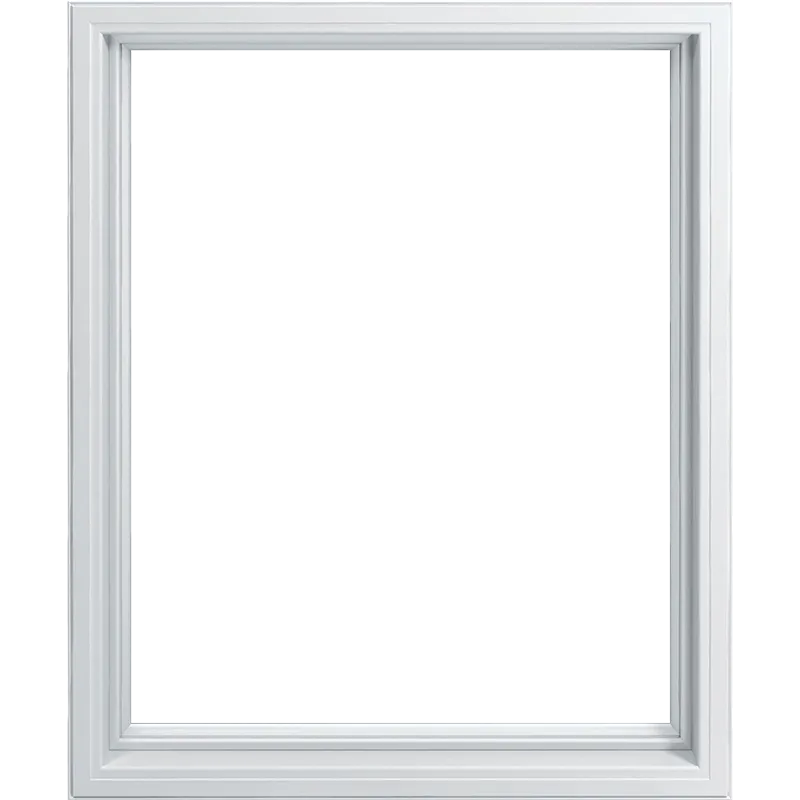
Picture Windows
Picture windows use broad, fixed panes to preserve ocean, garden, and city views with minimal visual interruption. Since they have no operable sash, they can provide dependable air-sealing and energy performance when properly installed. In living rooms and other view-oriented spaces, picture windows can be paired with casement or sliding windows to add ventilation without compromising sightlines.
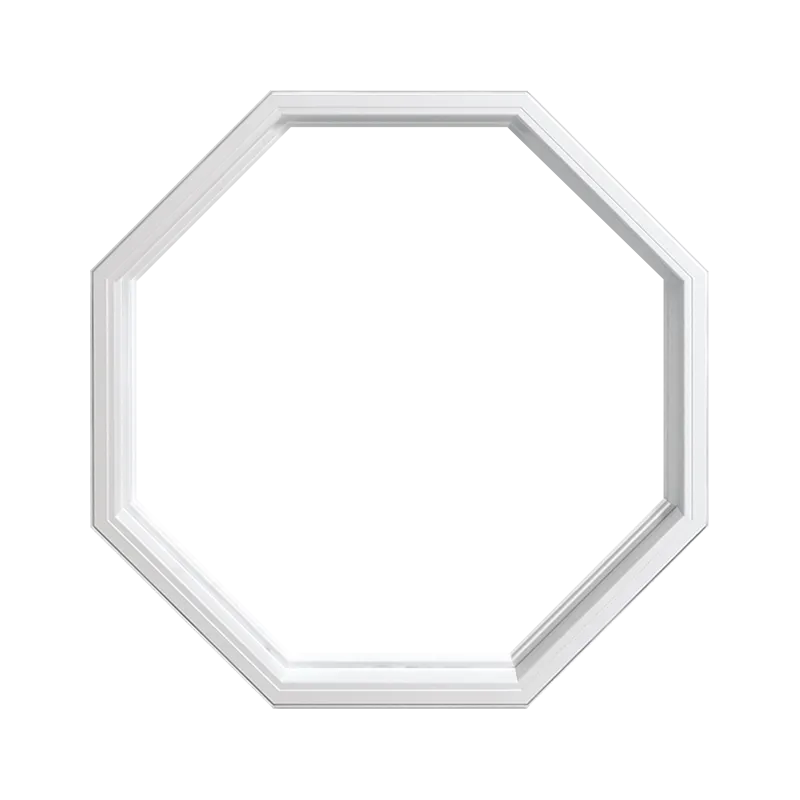
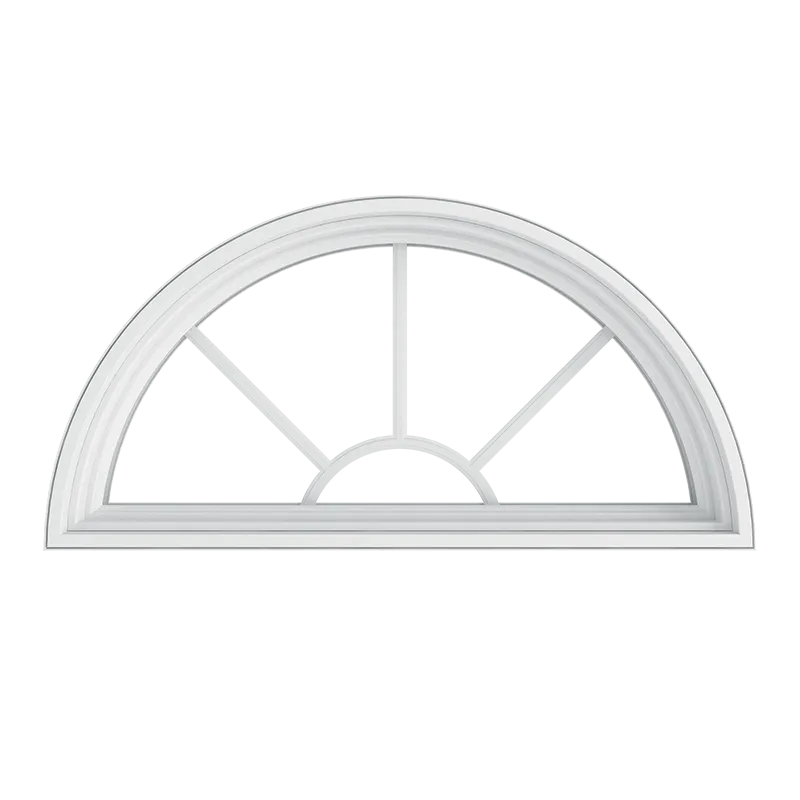
Specialty Windows
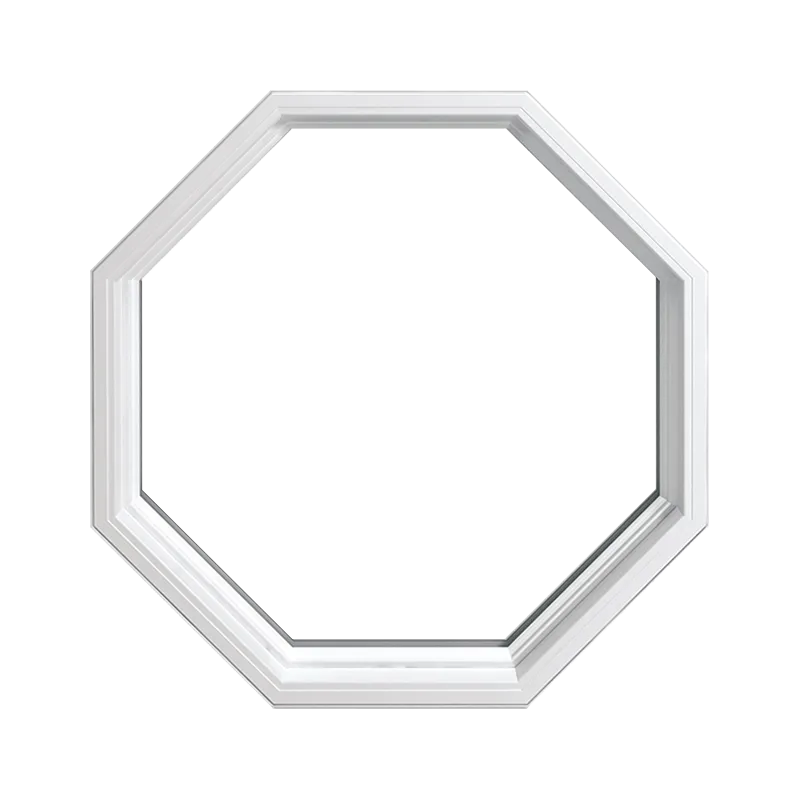
Specialty windows include geometric, curved, and custom-shaped designs that complement Santa Monica’s varied residential architecture. They can preserve original details in Spanish, Craftsman, contemporary, and mid-century homes while bringing daylight into stairwells, vaulted rooms, and high walls. Placing specialty windows above eye level can also increase natural light while protecting privacy from neighboring properties or busy streets.
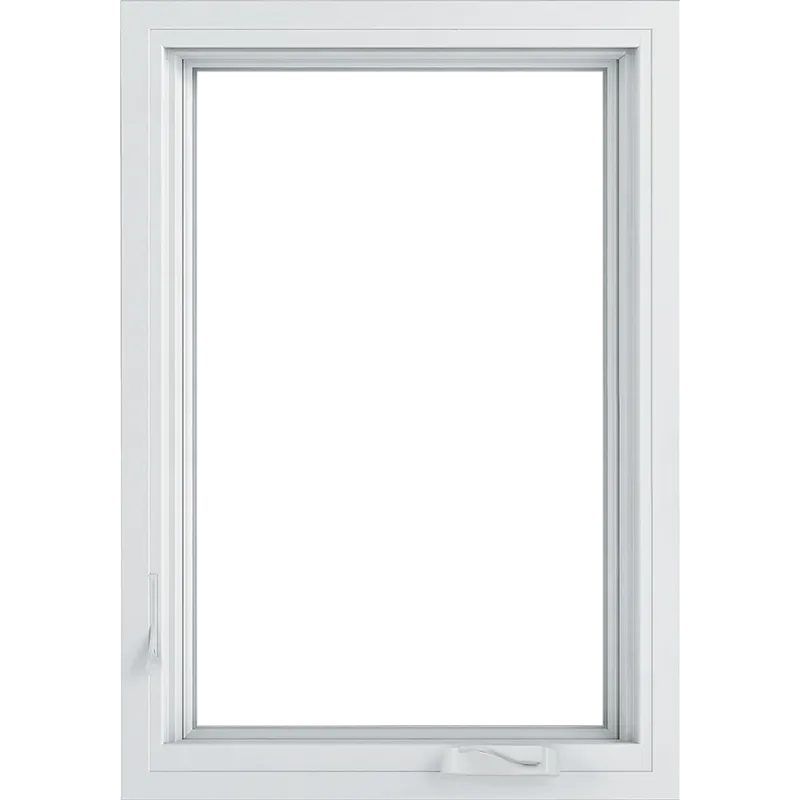
Casement Windows
Casement windows open outward, allowing the sash to catch breezes traveling along the side of a coastal home. Their broad opening supports generous ventilation, while the single pane preserves a relatively clear view. When closed, the sash presses firmly against the frame, creating a tight seal that supports energy efficiency and indoor comfort during windy or cooler weather.
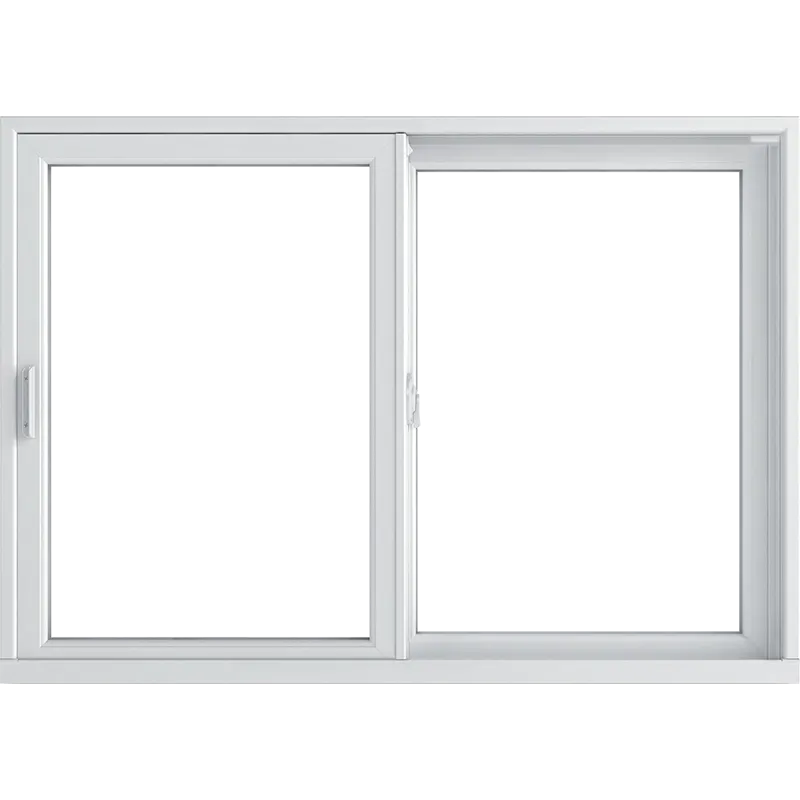
Sliding Windows
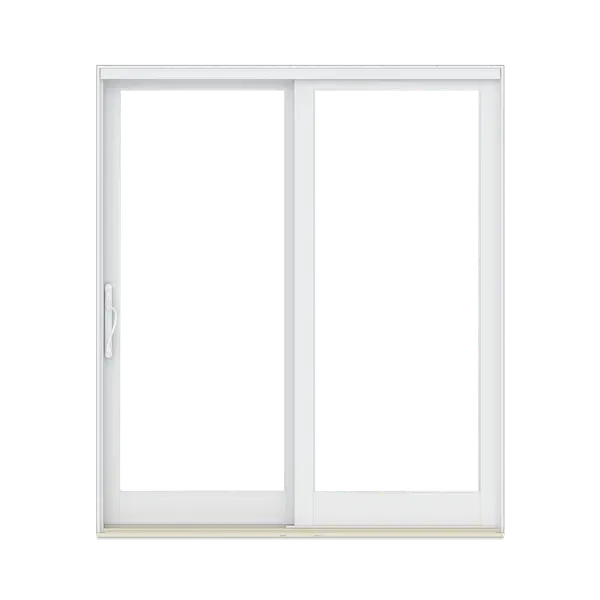
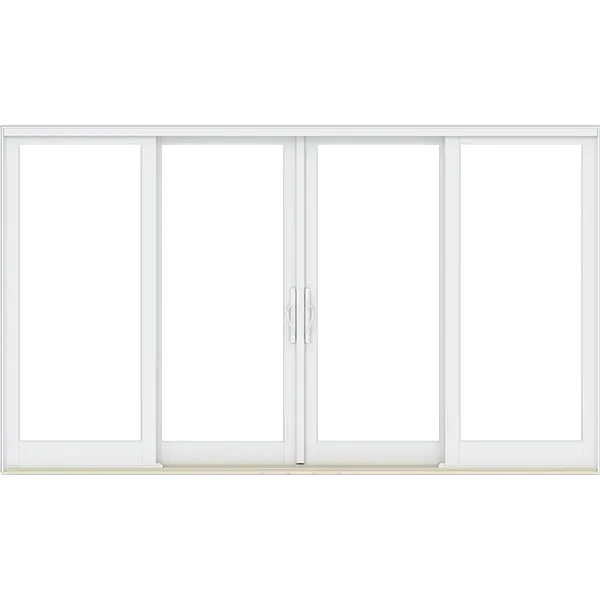
Sliding windows suit contemporary architecture and wide horizontal openings. They work especially well beside patios, walkways, and landscaping, where an outward-opening sash could obstruct movement. Their straightforward operation lets homeowners introduce ocean air when conditions are pleasant, while broad glass areas maintain natural light and views.
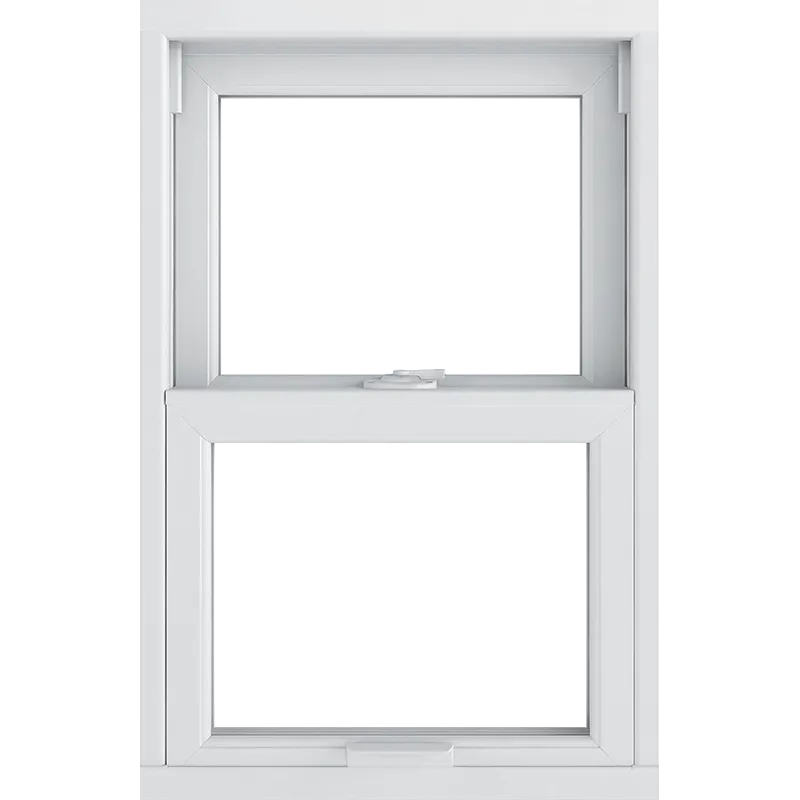
Double-Hung Windows
Double-hung windows complement traditional, Craftsman, and transitional Santa Monica homes. Opening the lower sash, upper sash, or both gives homeowners flexible control over coastal airflow. An open upper sash can also provide ventilation with greater privacy than a window opened closer to eye level. Depending on the product, tilt-in sashes may make exterior glass easier to clean.
A coordinated window plan may combine several styles. Consistent profiles, finishes, grille patterns, and hardware can unify the exterior even when each room receives a window chosen for its particular needs.
Coastal Windows Should Balance Views, Ventilation, and Comfort
A coastal view may be a priority, but the direction each room faces should also influence window selection. South- and west-facing rooms typically receive stronger sunlight, which can increase glare and indoor heat even when outdoor temperatures feel mild. North-facing rooms receive softer light and may benefit from larger glass areas.
Ventilation requires similar planning. Operable windows positioned toward prevailing ocean breezes can move fresh air through the home, particularly when openings on opposite sides encourage cross-ventilation. At the same time, windows facing neighboring properties or busy streets may need higher placement, obscured glass, or a combination of fixed and operable units. The right design responds to each room’s mix of views, airflow, privacy, daylight, and comfort.
Installation Quality Matters for Coastal Window Performance
Even windows designed for coastal conditions won’t perform as expected if they aren’t properly installed. The opening must be measured accurately, and the new frame must sit level, square, and properly aligned. Installers also need to address insulation, flashing, sealants, drainage, and adjustments to the sash and hardware.
Small gaps can allow drafts or moisture to enter. Poor alignment may make a window difficult to operate or prevent it from closing securely. These problems become especially relevant when wind pushes coastal moisture against the exterior of a home.
At Veracity Window and Door, our in-house installation team manages the work rather than passing it to subcontractors. This continuity helps us carry the design consultant’s recommendations through to the completed installation. We also back our installation work with a 10-year labor warranty.
When Should You Replace Windows in Your Coastal Home in Santa Monica?
Age alone does not determine whether a window needs replacement. Its condition and performance provide better guidance. Warning signs that you might need new windows better suited to coastal conditions include:
- Drafts around windows that are fully closed
- Condensation or haze trapped between panes
- Sashes that stick, bind, or no longer lock correctly
- Cracked, loose, or deteriorating seals
- Visible wear, corrosion, warping, or frame damage
- Rooms that become uncomfortably hot in direct sunlight
- Noticeable fading of flooring, furniture, or artwork
- Excessive exterior noise
- Older single-pane glass
- Repeated repairs that do not resolve the underlying problem
Explore Coastal Replacement Windows With Veracity Window and Door
The right replacement windows for a Santa Monica home depend on exposure, architecture, existing performance problems, and the way you want each room to function. Our design consultants begin by evaluating those factors, then explain the materials, glass packages, and styles that fit your priorities.
Veracity Window and Door is a family-owned window company based in Southern California with more than 30 years of combined industry experience. We have served homeowners since 2014 and are Southern California’s longest-running authorized Infinity® by Marvin® dealer. For homeowners seeking strong, stable, and low-maintenance coastal windows, Infinity® by Marvin® products made with Ultrex® fiberglass offer a premium option worth considering.
From initial planning through installation, our team provides clear guidance without high-pressure sales tactics. Contact Veracity Window and Door to discuss new windows tailored to your Santa Monica, CA, home, its coastal setting, and the views you want to enjoy for years to come.

JUNE SPECIAL OFFER
Request Your Quote
Schedule your in-home consultation and see what's possible for your home.
+12 MONTHS NO PAYMENTS NO INTEREST
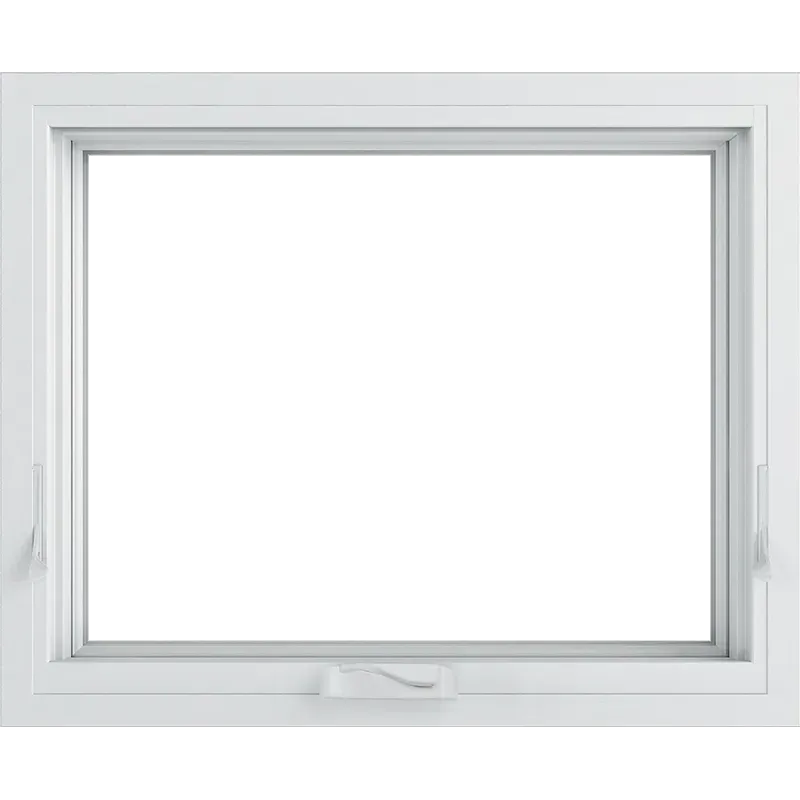
Choose the Perfect Window Style for Your Home
Whether you’re looking to cultivate a modern aesthetic, or your tastes lean more toward traditional, you’ll find a window style that blends perfectly with your homes architectural design.
-800.webp)
%402x.svg)
%402x.svg)
JUNE SPECIAL OFFER
Request Your Quote
Schedule your in-home consultation and see what's possible for your home.
+ AN ADDITIONAL 5% FOR THE WHOLE HOUSE
Schedule your free in-home window replacement consultation today.
.webp)